 Sowmya Gibish
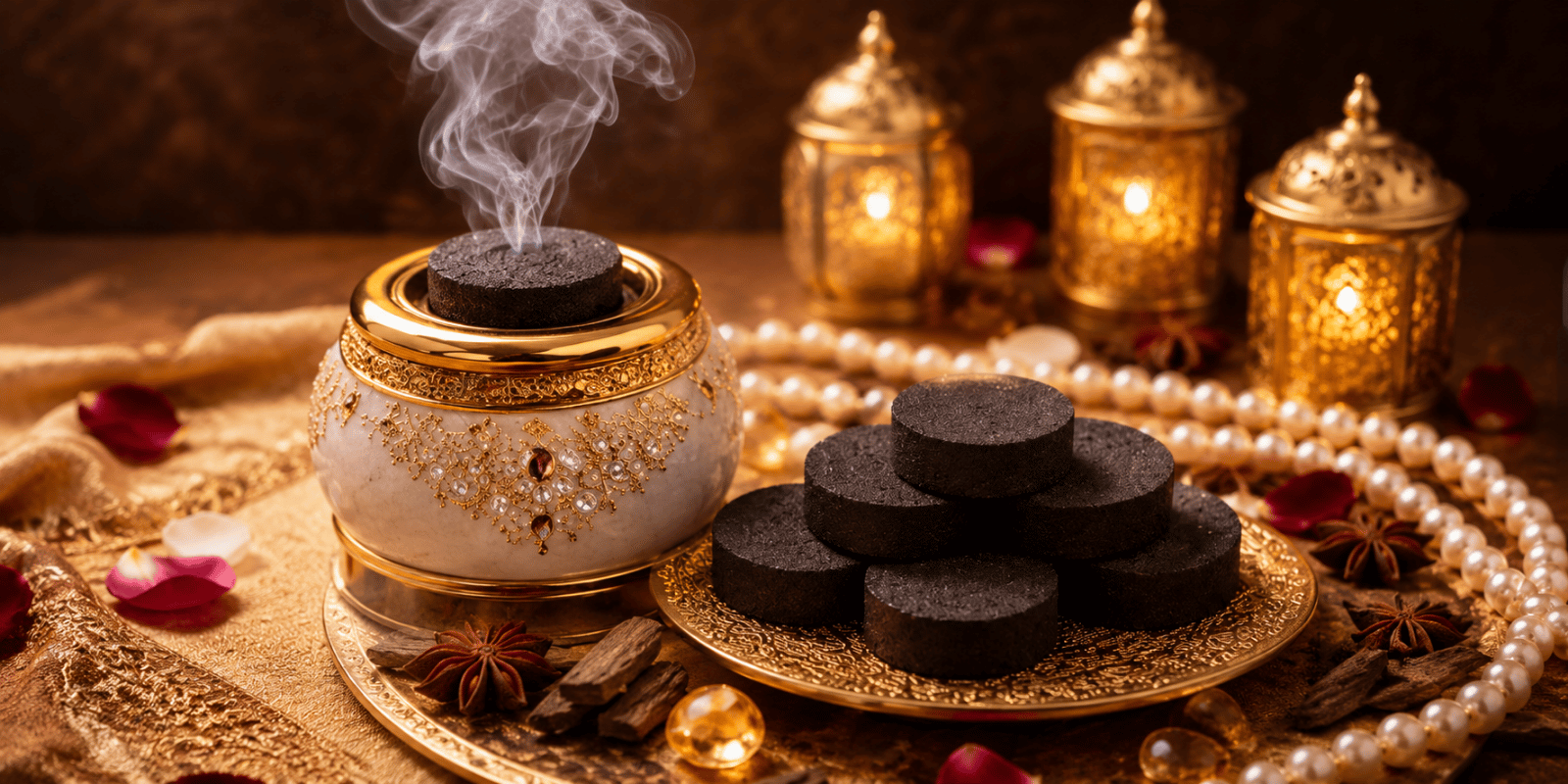
You’ve smelled bakhoor before, even if you didn’t know its name. It’s the warm, smoky sweetness that greets you in malls across the Gulf, in hotel lobbies and in homes right before guests arrive. Bakhoor is not a perfume you spray. It’s wood chips soaked in fragrance oils, burned over charcoal or an electric burner so the scented smoke fills the room, your clothes and your hair.
So what’s actually in it? How do you burn it without setting off the smoke alarm? And which one should you buy first? Let’s get into it.
What is Bakhoor Made Of?
At its core, bakhoor is wood, usually agarwood (oud), soaked in perfume oils and pressed together with resins, musk, ambergris or floral oils. Some houses shape it into tablets or bricks, others leave it as loose chips or powder. The oils decide the character. A rose and saffron bakhoor smells nothing like a lavender one, the same way sandalwood perfumes sit worlds apart from citrus colognes.
Oud itself is the resin-soaked heartwood of Aquilaria trees, and it’s the backbone of most traditional blends. If you’ve only met oud in designer bottles like Tom Ford’s Oud Voyager, real burned oud is a different animal. Darker, smokier, closer to a bonfire than a boutique.
How to Burn Bakhoor
The traditional way: light a charcoal disc, wait until it turns grey (around 5 minutes), place it in a mabkhara (the burner), then set a piece of bakhoor on top. The smoke starts almost immediately.
The easy way: an electric burner. No charcoal, no open flame, less smoke. Better for flats and anyone with sensitive lungs.
A few things nobody tells you the first time. Open a window, because the smoke is real smoke and small rooms fill fast. One piece is enough for an average room. And the old trick still works best: let the smoke pass through your clothes or hair for a scent that lasts hours, longer than most room sprays could dream of.
Why is Bakhoor Such a Big Deal in the Gulf?
Hospitality, mostly. Passing the mabkhara among guests is a welcome gesture that goes back centuries, and burning bakhoor before Friday prayers or a wedding is standard practice in many Emirati and Saudi homes. Perfumed smoke has been a luxury in the region since long before Shalimar made amber and incense fashionable in Paris.
3 Bakhoors Worth Buying First
The Classic Swiss Arabian Bakhoor Maliki
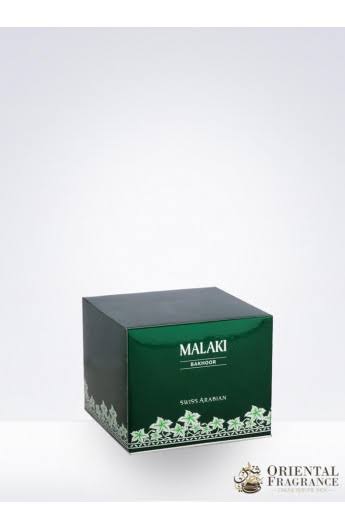
| Highlights | Details |
|---|---|
| Brand | Swiss Arabian |
| Best for | Unisex |
| Fragrance Family | Oriental Floral |
| Notes | Turkish rose, Spanish saffron, agarwood, amber, sandalwood |
| Format | 18 tablets |
| Projection | Heavy |
Swiss Arabian has been making bakhoor in Sharjah since 1974, so this is about as close to the source as a beginner can get. Maliki wraps a jammy rose around saffron and oud, rich the way spices in peppery scents can be, and one tablet perfumes a whole floor. The catch is the format. These tablets really want charcoal, so you’ll need the full burner setup, and the smoke is heavy for small spaces.
The Oud-Forward One Ajmal Bakhoor Al Oud
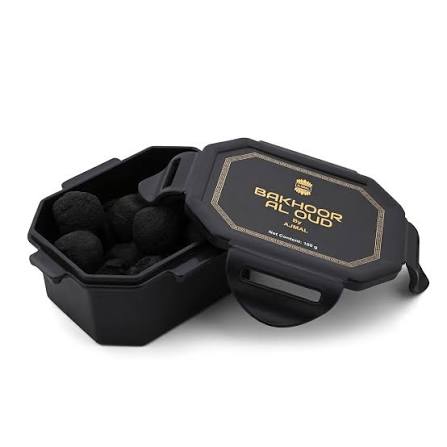
| Highlights | Details |
|---|---|
| Brand | Ajmal |
| Best for | Unisex |
| Fragrance Family | Woody Oriental |
| Notes | Arabian oud, amber, rose, musk |
| Format | 100g chips |
| Projection | Heavy |
My aunt refuses to burn anything else before Eid, and honestly, fair. This is the deep, slightly animalic oud smoke people picture when they hear the word bakhoor, softened just enough by amber and a quiet rose. Not a beginner-friendly pretty scent though. Some find Ajmal’s ouds harsh in the first few minutes, and stock and pricing jump around a lot between their regional stores.
The Easy Starter Dukhni Oud Bakhoor
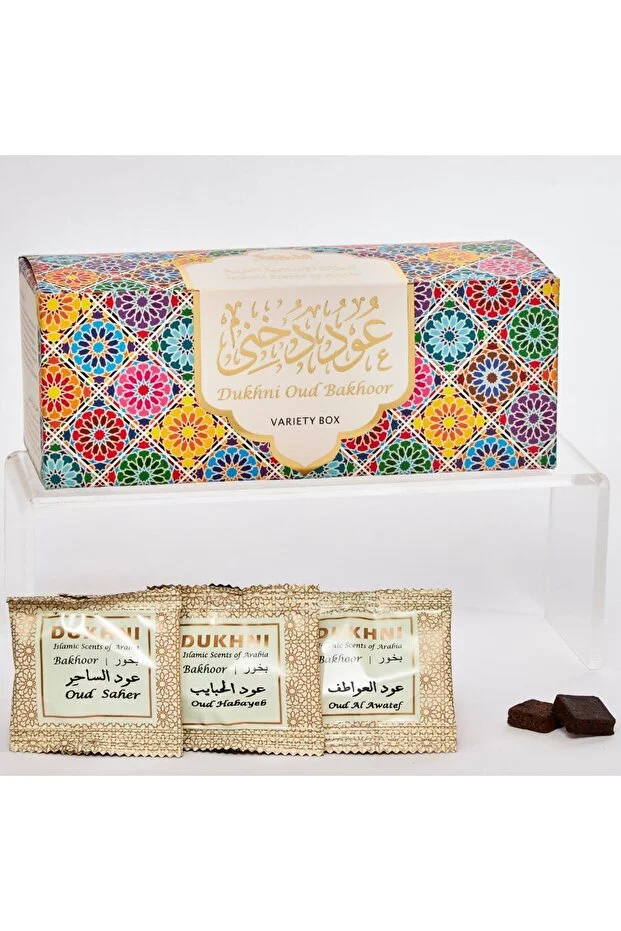
| Highlights | Details |
|---|---|
| Brand | Dukhni |
| Best for | Unisex |
| Fragrance Family | Varies by scent |
| Notes | Assorted, from sweet floral to deep woody |
| Format | Pre-cut pieces, tealight or charcoal |
| Projection | Moderate |
Dukhni is the gateway bakhoor. Pre-cut pieces, a tealight burner option so you can skip charcoal entirely, and gentler blends that won’t scare off guests, which also makes their boxes an easy add to perfume sets when you’re gifting. The trade-off is staying power. Each piece burns for about 15 minutes and a few buyers on Trustpilot say the scent fades faster than traditional bakhoor. Works better than it sounds for a first try.


 Yazhini Manimudi


 Sowmya Gibish

