 Yazhini Manimudi
The online perfume community is so much fun, letting us expand our perfume horizons and helping us find fellow perfume lovers from all over the world. While I love the community, I have a bone to pick with a small corner of it that thrives by creating unnecessary fear of chemicals.
I understand why people may be afraid of chemicals (the names are strange and large corporations are often caught using harmful chemicals), but it is a mistake to make a blanket statement that all chemicals are harmful. It creates the impression that anything human made is harmful and that anything found in nature is good for us. For one, literally everything is a chemical from water to your human body. Secondly, it puts people in harm’s way by creating a belief system that everything natural is harmless– cyanide is found in nature. Thirdly, chemicals are absolutely essential to keep certain products (natural or otherwise) safe for our consumption.
Chemophobia or chemonoia is used more of a marketing tool to create demand for the so-called ‘natural’ products that are often priced at a premium. It’s natural that we the general public don’t know enough about chemicals to decide for ourselves if they are safe for our use. Brands take advantage of our knowledge gap and fearmonger about chemicals to sell their so-called natural products to us at unreasonably high prices. There is little to no regulation on labeling a product as ‘natural’, so the label is only there to make these companies money by making us feel safer from a non-existent threat.
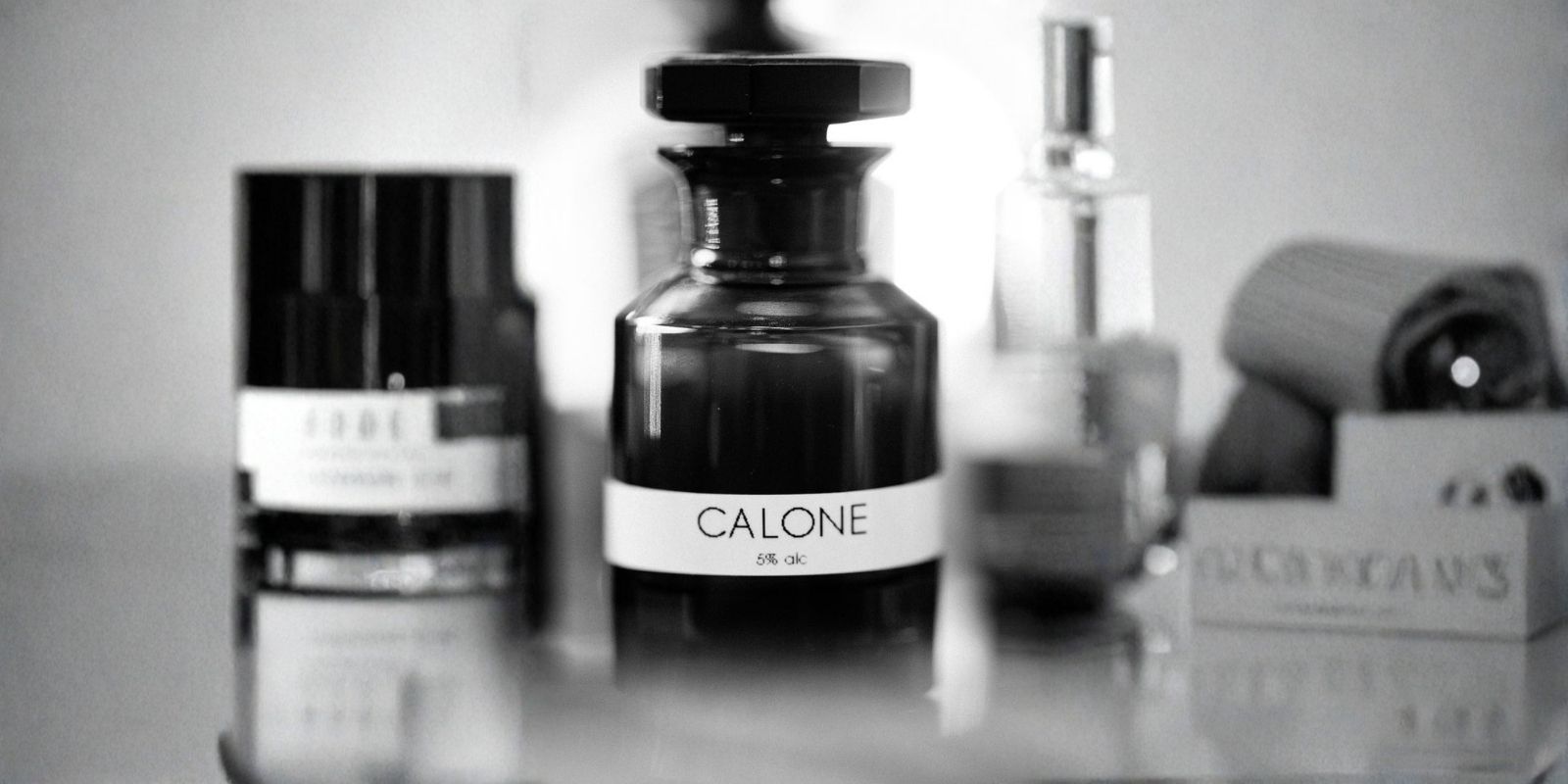
Now, let’s take a look at Calone, an organic compound used in fresh, aquatic fragrances. Organic compounds are simply a subclass of carbon compounds bonded to hydrogen (or hydrocarbons).
Calone
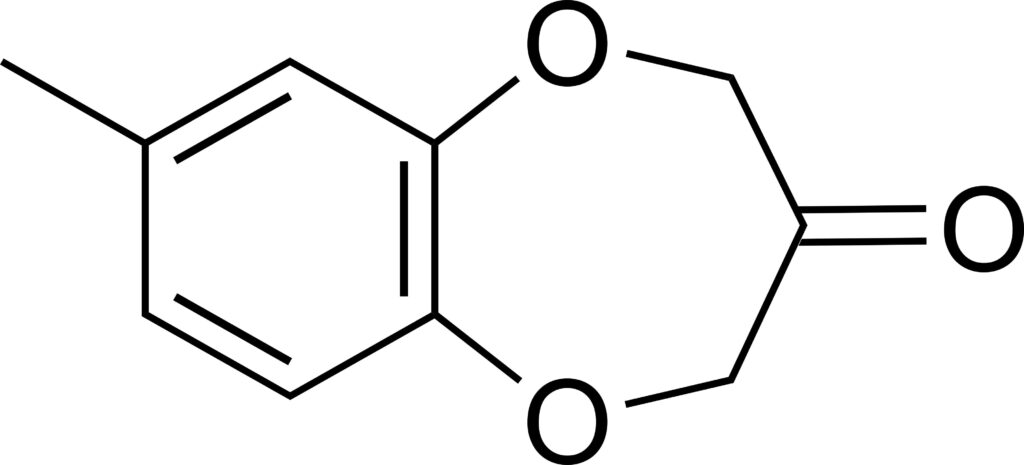
Quick facts
Chemical formula
C10H10O3
Appearance
White crystals, flakes or clumps
Molecular Weight
178.18730000
Discovery
1966
Fragrance profile
Aquatic, ozonic with fruity-floral undertones
Calone really took off with the popularity of aquatic fresh fragrances in the 1990s. The credit for its discovery goes to J. J. Beereboom, D. P. Cameron, and C. R. Stephens of Pfizer-owned (yes, the pharmaceutical company) perfume company Camilli, Albert & Laloue. It was created when they were working with cyclic Ketones. Hence, the name:
Camilli + Albert + Laloue + Ketone = Calone
It was used marginally at first. As a component in the recreation of the lily-of-the valley scent synthetically. But the expiration of its patent led to a wave of innovations from the perfume industry. Anyone who loves the fresh, aquatic fragrances worn in summers has calone to thank. The only known hazard for calone is that it may cause irritation. But perfume users have little to worry about as we don’t really get a high enough concentration in fragrances for it to do any harm.
It is most often found as a top note and at times as a heart note because aquatic fragrances are usually mild in character. According to Firmenich, it is used in perfumes in concentrations averaging 0.16% and at a maximum of 0.74%. It is also used in product categories besides perfumes like hair care products, soaps, and scented candles. Firmenich also calls it Kosher and Halal certified.
The most popular Calone perfumes:
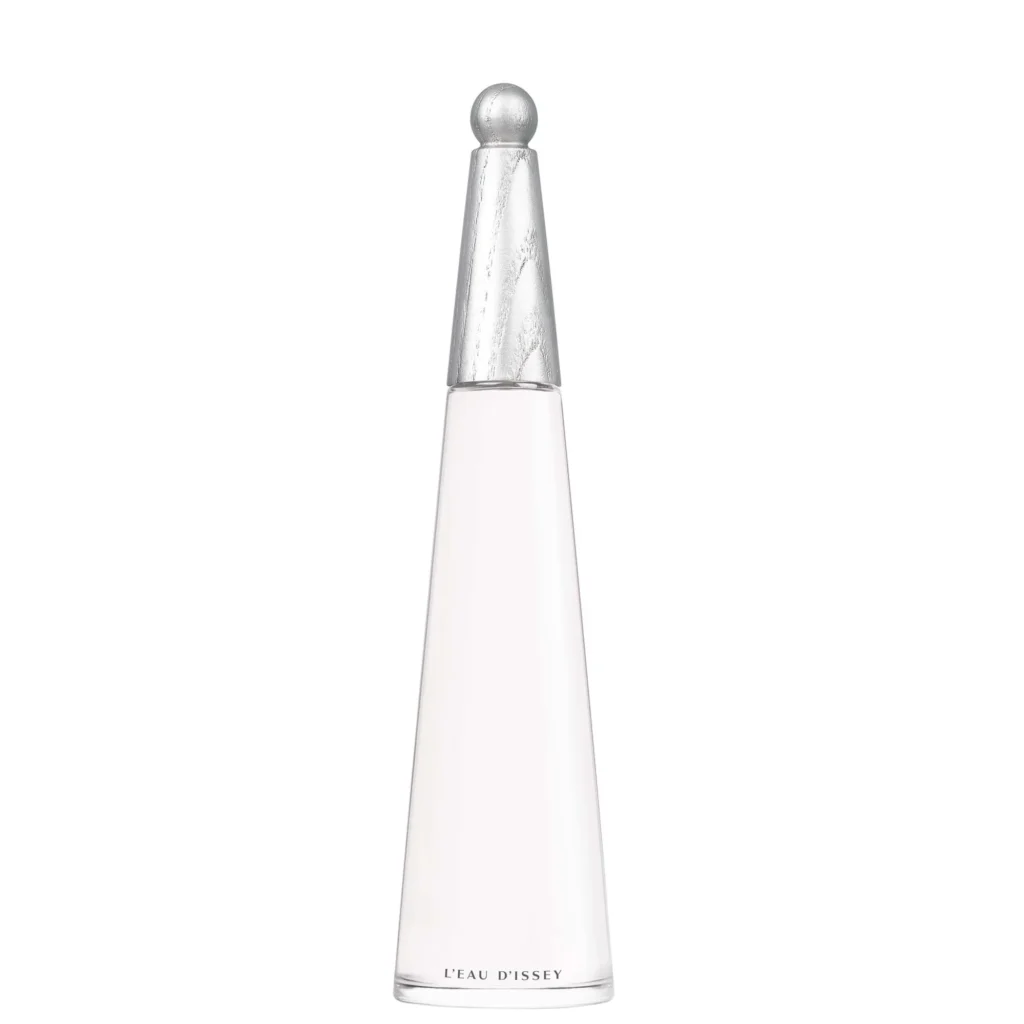
Issey Miyake L’eau d’Issey
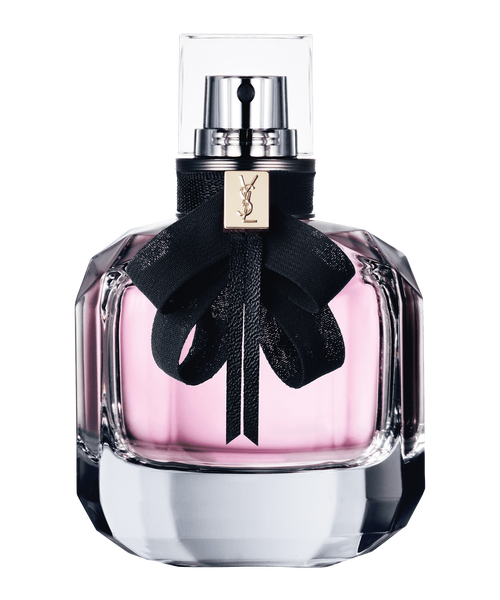
YSL Mon Paris
Davidoff Cool Water
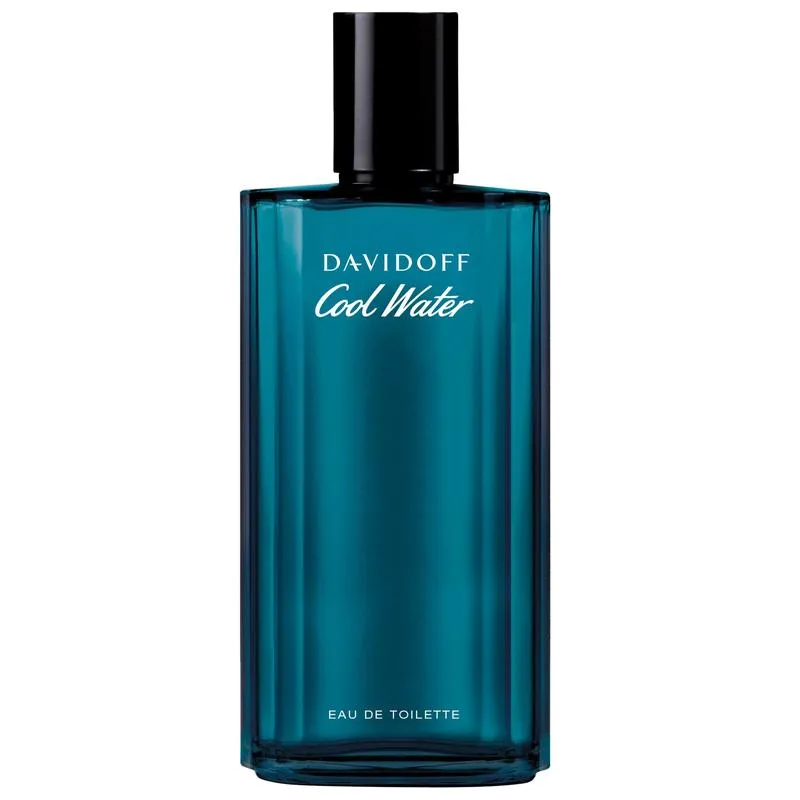
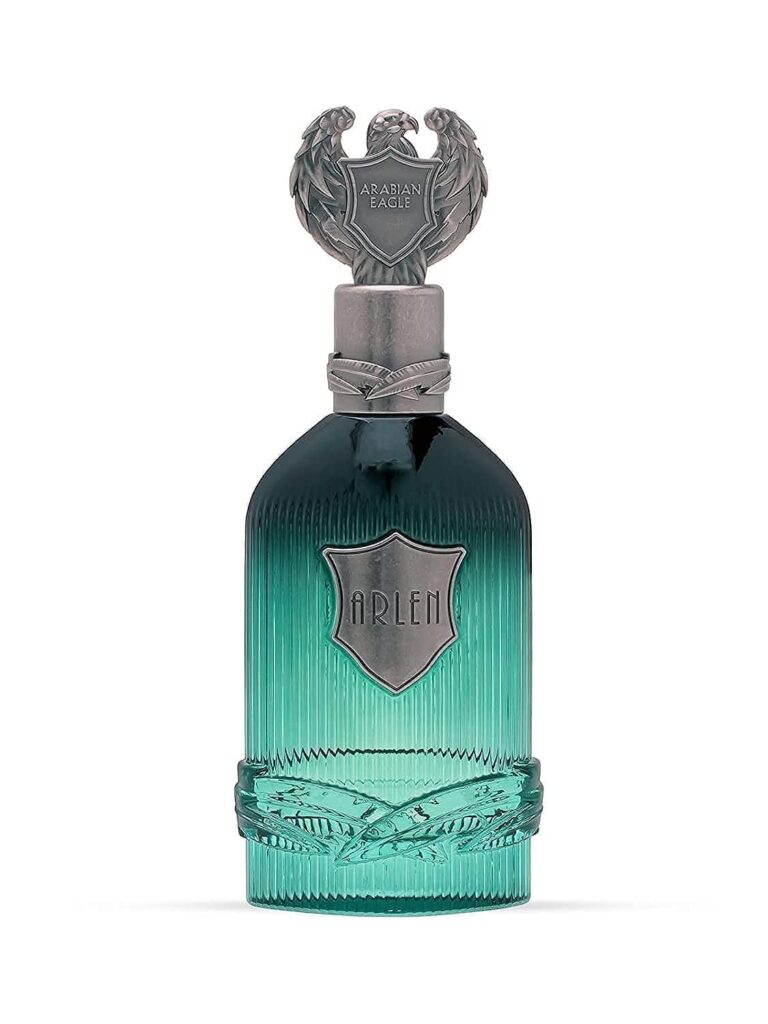
Arabian Eagle Arlen
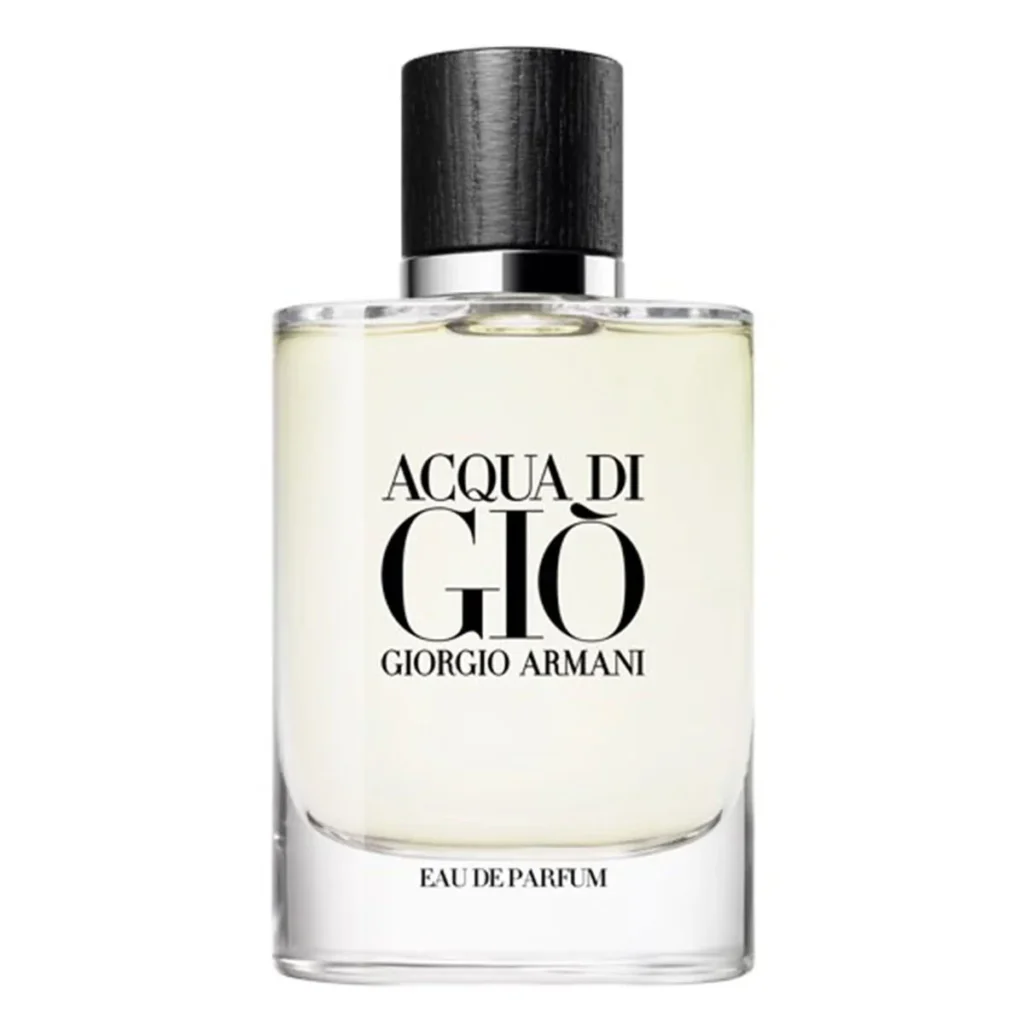
Giorgio Armani Acqua di Giò
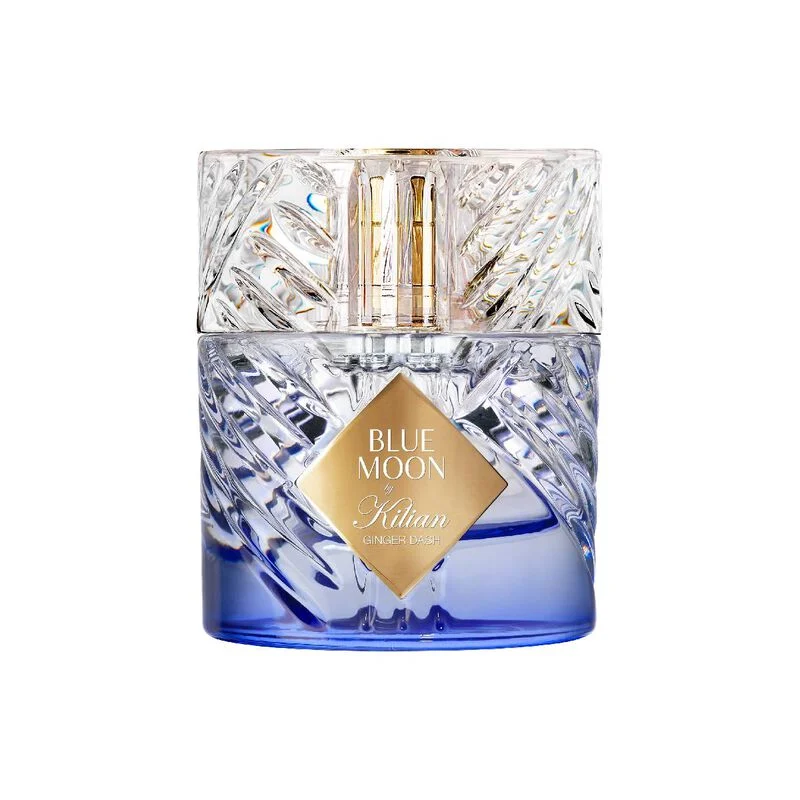
By Kilian Blue Moon Ginger Dash


 Yazhini Manimudi


